First Aid for Trail Emergencies: Stay Calm, Act Fast, Get Home Safe
Chosen theme: First Aid for Trail Emergencies. Whether you hike, run, or ride, this guide helps you make confident decisions when minutes matter. Learn practical skills, pack smarter, and respond with calm clarity. Share your questions, subscribe for field-tested tips, and help us build a safer trail community.
Build a Trail-Ready First Aid Kit
Stock adhesive bandages, sterile gauze, roller bandage, triangular bandage, tape, hemostatic gauze, blister care, tweezers, antiseptic, pain relievers, antihistamines, and a compact CPR face shield. Add a SAM splint and gloves. Comment with your must-carry item and why it earned a permanent place in your kit.
Build a Trail-Ready First Aid Kit
Use clear pouches, label categories, and waterproof everything with zip bags or a dry sack. Keep gloves and hemostatic gauze on top. In a real panic, fine motor skills fade, so practice opening packets wearing gloves. Share a photo of your kit layout to inspire the community.
Primary Survey: Control the Chaos
Stop, breathe, and scan for hazards: unstable rocks, lightning, traffic, or falling debris. Introduce yourself and gain consent if the person is responsive. A quick AVPU check helps: Alert, Voice, Pain, Unresponsive. Tell us how you stay focused when adrenaline surges and decisions feel slippery.
Primary Survey: Control the Chaos
Open the airway, look and listen for breathing, then sweep for major bleeding. Apply firm, direct pressure immediately if you see red life-threatening bleeds. Treat for shock: lay the person flat, insulate from cold, and reassure. What phrase or mental checklist helps you stay on track under stress?
Direct pressure beats everything
Place a thick wad of sterile gauze directly on the wound and press hard for several minutes without peeking. Add hemostatic gauze for severe bleeding. If needed, apply a tourniquet high and tight on a limb, note the time, and do not loosen. Share lessons learned from your most stressful first aid moment.
Clean and dress to prevent infection
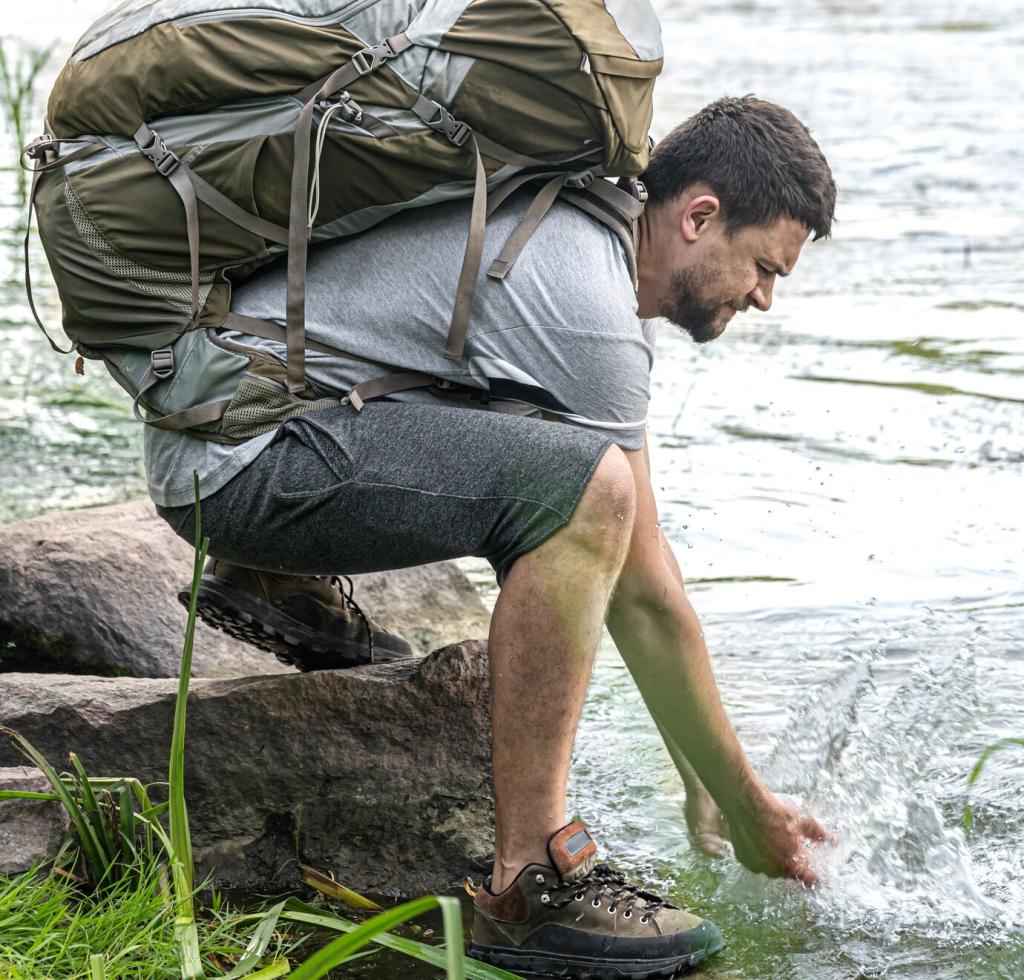
Irrigate with safe water under pressure; a sports cap bottle works surprisingly well. Remove visible debris with tweezers and dress with sterile gauze, then tape edges for a secure seal. A dab of antibiotic ointment helps. Tell us your go-to trick for keeping dressings on during sweaty climbs.
Improve with what you have
No gauze? Use a clean bandana. No tape? Duct tape and a leaf can improvise a pad. A hiker once used a folded snack wrapper under a compression wrap to stop oozing. Creativity matters, but cleanliness matters more. Subscribe to get our printable improvisation guide for your trail journal.
Modern care: PEACE and LOVE
Protect, Elevate, Avoid anti-inflammatories early, Compression, and Educate—then Load, Optimism, Vascularization, and Exercise as pain allows. Gentle movement promotes healing when safe. What recovery habit helped you get back to the trail faster? Share your micro-wins with the community.
Splint with purpose, not just gear
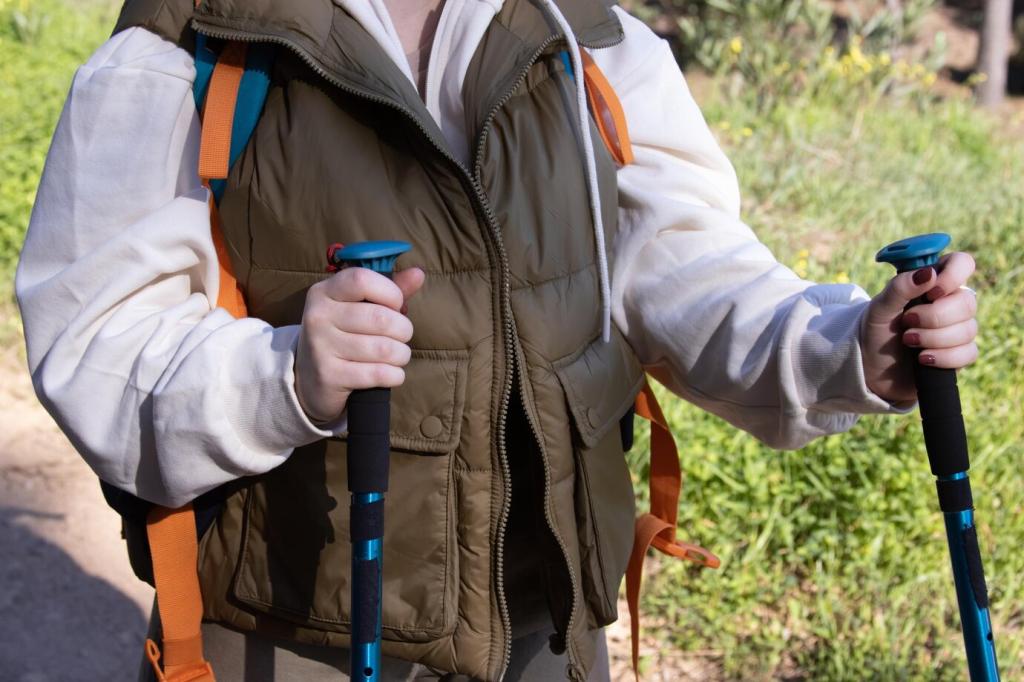
Immobilize the joints above and below the injury. SAM splints, trekking poles, and foam pads create excellent support with minimal weight. Check circulation, sensation, and movement before and after. Tell us your cleverest splint hack and whether it held through a rocky descent.
Walk out or wait it out?
Consider pain at rest, ability to bear weight, deformity, numbness, and terrain ahead. Nightfall, weather, and group strength may tip the decision. A runner once limped five miles safely after firm compression and buddy support. Comment how you decide when pride must yield to prudence.
Heat, Cold, and Changing Weather
Heat exhaustion brings heavy sweating, weakness, and nausea; cool down, hydrate, and rest. Heat stroke is a medical emergency with confusion or collapse; cool aggressively and call for help. Share how you balance electrolyte intake on scorching climbs without overdoing sugary drinks.
Heat, Cold, and Changing Weather
Mild shivering can slip into mumbling and stumbling fast. Insulate from ground, add dry layers, block wind, and sip warm, sweet drinks if awake and able. Always carry an emergency bivy. What tiny piece of insulation has saved your trip more than once? Inspire others with your pick.
Bites, Stings, and Plant Reactions
Remove the stinger quickly, clean the site, and apply a cold pack. Watch for swelling, hives, wheeze, or dizziness. Use an epinephrine auto-injector for anaphylaxis, then seek urgent care. Do you train partners to use your EpiPen? Comment how you practice that crucial muscle memory.
Bites, Stings, and Plant Reactions
Stay calm, immobilize the limb, remove jewelry, and minimize movement. No cutting, suction, ice, or tight tourniquets. Mark swelling and time, and reach medical care. In some regions, pressure immobilization is recommended for neurotoxic species; know your local guidance. Share your regional snake safety tips.
Communication, Navigation, and Evacuation
Use a simple structure: who you are, exact location, what happened, injuries, resources on hand, and your planned actions. SAMPLE history adds context: Symptoms, Allergies, Medications, Past history, Last intake, Events. What checklist do you keep on paper for low-battery moments?