Building Stamina for Hiking Trips: Your Trail-Ready Guide

Selected theme: Building Stamina for Hiking Trips. Lace up with confidence as we explore practical, science-backed ways to boost endurance, climb stronger, and finish your hikes smiling. Read on, share your goals, and subscribe for weekly stamina insights.

Keep your effort conversational and steady, focusing on long, easy sessions that teach your body to use oxygen efficiently. Two to three Zone 2 workouts per week can dramatically improve endurance without leaving you overly fatigued.
Practice nasal breathing on gentle grades to steady heart rate and reduce anxiety. Match three steps in, three steps out, then adjust as slopes steepen. Consistent breathing patterns help you hike longer before fatigue creeps in.
Use a heart-rate strap or watch to keep easy days easy. Pair data with Rate of Perceived Exertion, aiming for relaxed, talk-friendly efforts. Consistency beats hero days when building stamina for hiking trips.

Muscular Endurance That Lasts All Day

Mimic trail demands with loaded step-ups and reverse lunges, emphasizing slow eccentrics. Aim for high-rep sets that burn without failing form. Progress by increasing pack weight to reflect real hiking conditions and terrain challenges.

Muscular Endurance That Lasts All Day

Front-loaded carries, bird dogs, and dead bugs teach your core to resist rotation under a shifting pack. Strong trunk endurance reduces back fatigue, keeps posture tall, and preserves energy on long climbs and descents.

Muscular Endurance That Lasts All Day

Do calf raises, tibialis raises, and balance drills on a single leg. Tendons adapt slowly, so train them regularly with moderate loads. Better lower-leg resilience means fewer stumbles, steadier footing, and improved stamina over uneven rocks.

Muscular Endurance That Lasts All Day

Lorem ipsum dolor sit amet, consectetur adipiscing elit. Ut elit tellus, luctus nec ullamcorper mattis, pulvinar dapibus leo.


Progressive Hiking Plans That Work

The 10% Rule and Cutback Weeks

Grow total time-on-feet by roughly ten percent per week, then insert a lighter cutback week every three or four weeks. This simple pattern boosts fitness while reducing injury risk, keeping your hiking momentum steady and sustainable.

Back-to-Back Training Days

Stack two moderate hikes on consecutive days to simulate multi-day fatigue. Keep day one controlled, then practice smart pacing on day two. You’ll learn fueling, recovery, and mindset skills that pay off on longer backpacking itineraries.

Carb Timing Before and During Hikes

Eat a balanced carb-rich meal two to three hours before you start. On the trail, target thirty to sixty grams of carbs per hour. Choose easy-to-digest options like chews, dates, gels, or tortillas with nut butter.

Electrolytes, Salt, and Smart Sipping

Hydrate early and consistently, adding electrolytes for hot or long days. Salt helps maintain fluid balance and reduces cramping. Weigh your pack breaks with small, frequent sips instead of big gulps that can upset your stomach.

Process Goals Beat Outcome Goals

Instead of obsessing over summit photos, set goals like steady pacing, regular fueling, or calm breathing. Process goals give immediate wins, reduce stress, and quietly compound into strong stamina for hiking trips over time.

Visualization and Breath Control

Before your hike, picture the steepest section and rehearse your breathing cadence. Use box breathing during breaks to reset. These simple mental reps build confidence, making challenging terrain feel familiar long before your boots touch it.

A Trail Story to Remember

Mara trained through busy weeks with fifteen-minute stair sessions and short evening walks. On her big hike, steady breathing and regular snacks carried her past doubt. Share your story, and inspire someone planning their first long climb.

Recovery, Mobility, and Injury Prevention

Sleep and Strategic Rest Days

Seven to nine hours of quality sleep powers endurance adaptations. Schedule true rest or light mobility between hard efforts. When in doubt, undertrain and arrive fresh rather than exhausted; hiking stamina grows with patience, not panic.

Mobility Routines that Matter

Prioritize ankles, calves, hips, and thoracic spine. Use gentle dynamic drills before hikes and longer static stretches after. Ten focused minutes daily can prevent tightness from stealing efficiency and keep your stride smooth late in the day.

Spot Early Warning Signs

Watch for persistent soreness, irritability, poor sleep, or declining motivation. These can signal overreaching. Scale back volume, increase hydration, and add easy walks. Listening early protects your long-term stamina and keeps training enjoyable and productive.

Gear Choices That Protect Your Energy

01
Choose shoes with stable midsoles and grippy lugs that match your terrain. Pair them with moisture-wicking socks and tape hotspots early. Comfortable, blister-free feet preserve stamina better than any miracle workout ever could.
02
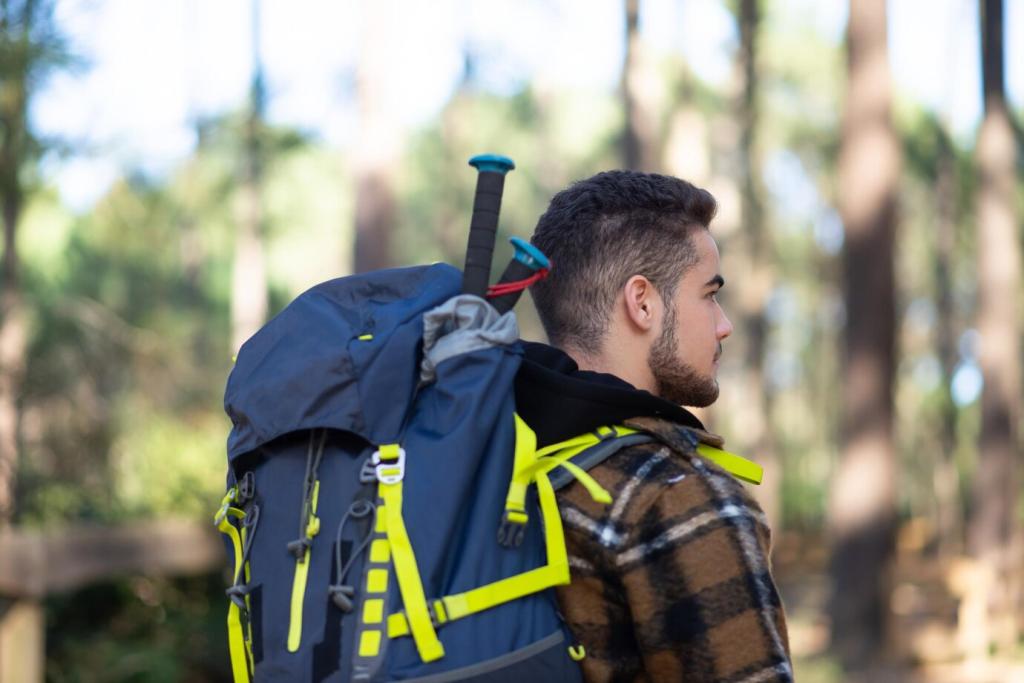
Adjust torso length, cinch hip belt snugly, and keep heavy items close to your spine. A well-balanced pack reduces sway, saves your lower back, and shifts effort from fragile stabilizers to stronger muscle groups efficiently.
03
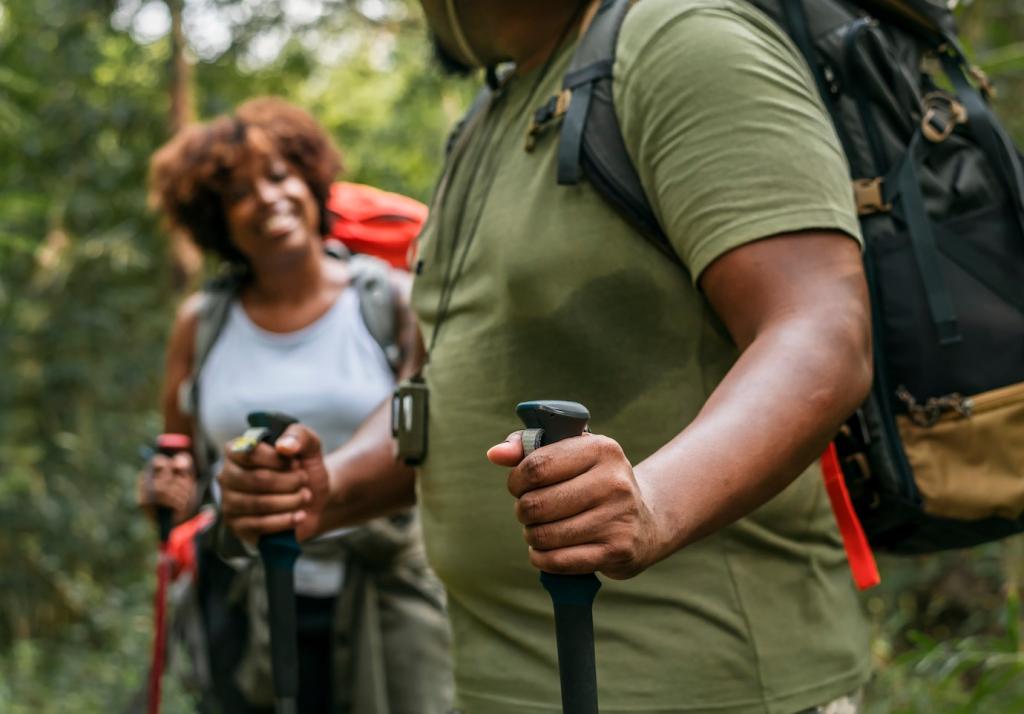
Poles redistribute workload to your upper body, stabilize slippery descents, and reduce knee strain. Set pole length to keep elbows near ninety degrees. Use a light, quick plant to maintain rhythm without wasting energy.

Community, Tracking, and Accountability

Join Local or Online Hiking Groups

Hike with others who match your pace and goals. Group outings teach pacing, encourage fueling breaks, and add safety. Accountability makes those early-morning miles happen when motivation alone would have stayed in bed.

Track What Matters

Log time-on-feet, elevation gain, perceived effort, and fueling notes, not just distance. Clear patterns emerge quickly, guiding smarter training decisions. Share a weekly snapshot with the community to learn from real hikers’ experiences.

Commit Publicly and Celebrate

Post a simple commitment—three hikes this week, two strength sessions, one recovery day—and update the thread on Sunday. Small promises kept build reliable stamina for hiking trips and invite supportive high fives from fellow readers.
Disputesurge
Privacy Overview

This website uses cookies so that we can provide you with the best user experience possible. Cookie information is stored in your browser and performs functions such as recognising you when you return to our website and helping our team to understand which sections of the website you find most interesting and useful.