







Clean Water, Clear Choices: Exploring Water Purification Techniques

Chosen theme: Water Purification Techniques. Step into a practical, inspiring dive through time-tested methods and modern innovations that turn questionable water into confidence in every sip. Along the way, we share stories, facts, and hands-on guidance—then invite you to ask questions, subscribe, and shape the next chapters with your experiences.

From Ancient Wells to Modern Membranes

Boiling remains a reliable champion against microbes, especially when speed matters and resources are limited. Sunlight, harnessed through transparent bottles in the SODIS method, can disinfect too—slowly but effectively. Have you tried either approach during travel or storms? Share your experiences and tips with our community.

From Ancient Wells to Modern Membranes

Early filters used layers of sand, gravel, and charcoal to trap sediments and improve taste. Today’s biosand and ceramic approaches echo that wisdom with refined designs and predictable performance. If you’ve built a DIY filter, tell us what worked, what clogged, and how you adapted the layers to your water source.
Biological Threats: Bacteria, Viruses, Protozoa
Bacteria and protozoa are generally larger and caught by many filters, while tiny viruses often require disinfection like chlorine or UV. A combined approach—filtration then disinfection—offers reliable protection. Which pathogens concern you most locally? Ask questions below, and we will tailor future guides to your needs.
Chemical Intruders: Nitrates, Pesticides, and PFAS
Activated carbon can reduce many pesticides and organic compounds, while ion exchange or reverse osmosis targets nitrates and certain salts. PFAS often demand advanced carbon or membranes. Always verify performance claims with certifications. If you’ve puzzled over a lab report, drop a comment and we’ll help decode the numbers.
Know Your Source: Test, Observe, Ask Neighbors
Start with a water test and simple observations—odors, color, stains, or taste changes. Check local reports and ask neighbors about their results. Patterns often emerge that inform smarter purification choices. Planning to test soon? Subscribe for a printable checklist and reminders for seasonal retesting and filter maintenance.

Boiling, Chlorine, and UV: Disinfection Essentials

Boiling kills microbes, chlorine provides residual protection in storage, and UV disinfects without changing taste when water is clear. Each technique has limitations, especially with turbidity. Have you compared taste or convenience across these options? Share your observations to help others balance safety with everyday usability.

Activated Carbon and Ion Exchange: Targeted Removal

Granular activated carbon adsorbs odors, chlorine, and many organics, while ion exchange addresses hardness and certain dissolved ions. Combine them to polish taste and protect appliances. Cartridges need timely replacement to stay effective. Want a maintenance tracker? Subscribe and we’ll send a simple, printable schedule you can stick to your fridge.

Reverse Osmosis and Distillation: Deep Purification With Trade-offs

Reverse osmosis removes many dissolved contaminants but produces wastewater and requires adequate pressure. Distillation offers thorough removal yet consumes significant energy and time. Choosing either means understanding costs, maintenance, and goals. Which trade-offs feel acceptable for your family? Comment and compare your priorities with fellow readers.

Field and Emergency Methods

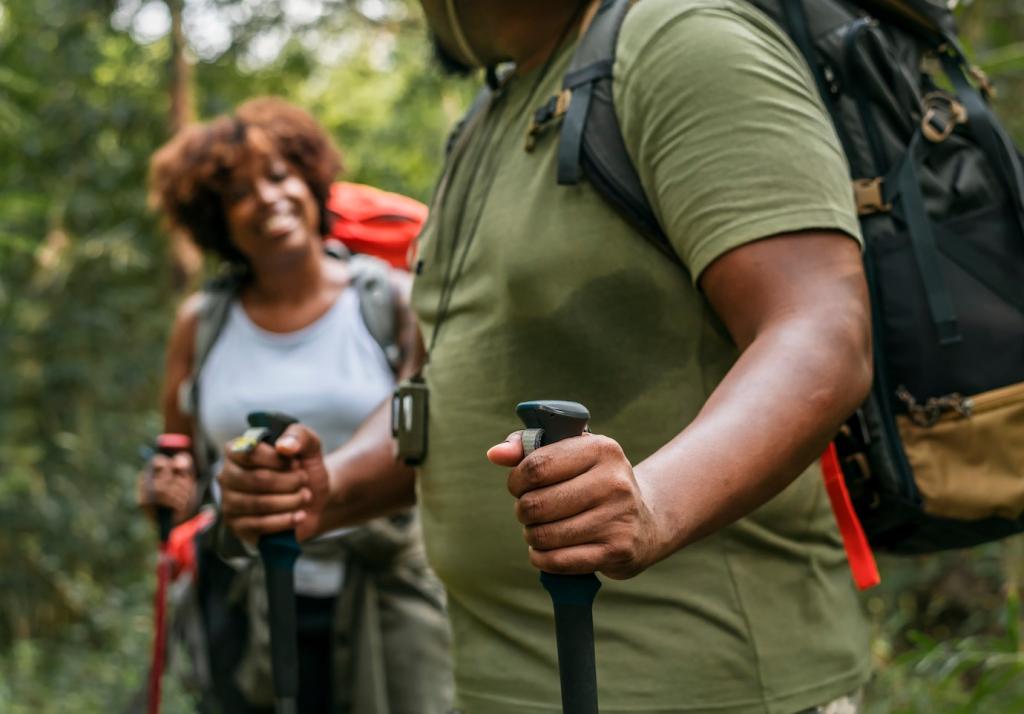
Compact hollow-fiber filters and ceramic pumps are backpacker favorites for removing sediments, protozoa, and bacteria. Pair with chemical drops or UV for viruses. Keep flow rates realistic and backflush regularly. Have a trusted trail setup? Share your pack list and field hacks to help newcomers take safer sips outdoors.

Designing a Layered System at Home

A simple sediment filter catches rust and grit, protecting carbon and membranes while improving clarity. Start coarse, then step finer. Monitor pressure drops and replace when flow suffers. Curious about micron ratings and filter order? Ask in the comments—we’ll share visual guides and a starter configuration for common setups.

Designing a Layered System at Home

Activated carbon improves taste and smell, trimming chlorine and many organics. Pairing polish filters after primary treatment can elevate everyday drinking water. Avoid stacking redundant cartridges that add cost without benefit. Want personalized suggestions? Subscribe and tell us your source water and preferences for a tailored plan.

Community Scale Solutions and Sustainability

Municipal plants rely on layered steps—coagulation to gather particles, filtration to clarify, and disinfection for lasting safety. These techniques offer scale, monitoring, and consistency. Curious how your city treats water? Request the latest report, then share a highlight in the comments to spark a local discussion.

Community Scale Solutions and Sustainability

Biosand and ceramic pot filters empower households with robust, low-cost purification. Locally sourced materials and community training make maintenance sustainable. Have you seen these in action or helped install one? Tell us what changed most: taste, health, or confidence—and inspire others to replicate success.
Disputesurge
Privacy Overview

This website uses cookies so that we can provide you with the best user experience possible. Cookie information is stored in your browser and performs functions such as recognising you when you return to our website and helping our team to understand which sections of the website you find most interesting and useful.